Fertiliser and Vine Nutrition
Meeting Plant Needs Through the Growing Season
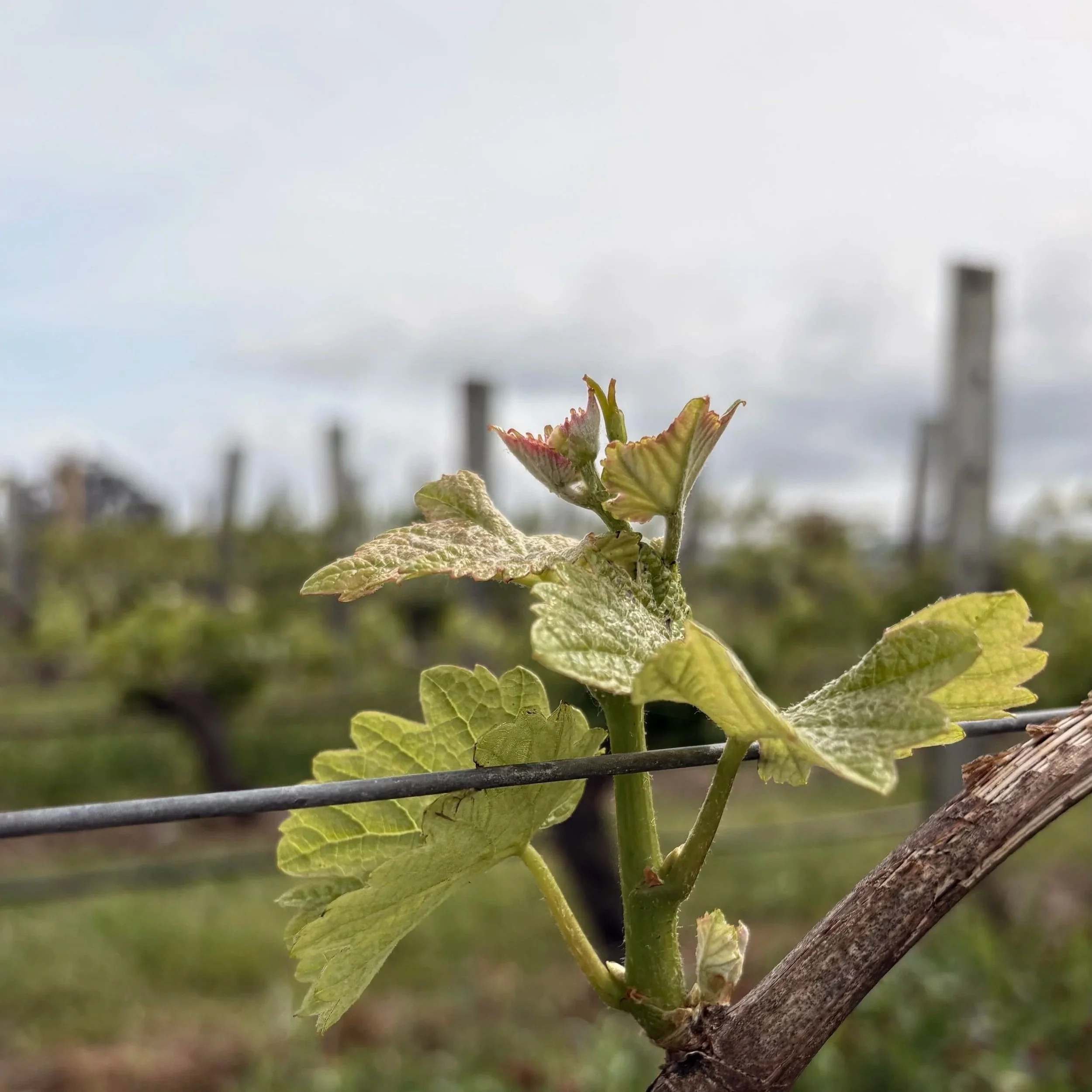
Vine nutrition plays a huge role in achieving balanced growth, consistent yields, and fruit quality. The challenge is that vines don’t need everything at once — their nutrient demands shift as the season progresses. Understanding what the plant needs and when helps fine-tune fertiliser programs and avoid both deficiency and excess.
Setting the Foundation – Pre-Budburst
Before shoots emerge, vines rely heavily on stored reserves from the previous season. Carbohydrates, nitrogen, and other nutrients held in the wood and roots drive those first few weeks of growth.
Pre-season soil testing helps identify underlying nutrient imbalances, particularly for phosphorus, potassium, and trace elements. Addressing these before budburst sets the stage for even early growth and stronger vine performance.
Early Growth (Budburst to Pre-Flowering)
In spring, nutrient demand ramps up quickly as shoots elongate and new leaves form.
Nitrogen (N) is critical at this stage for canopy development and chlorophyll production. Deficiency can lead to pale, stunted shoots.
Phosphorus (P) supports early root activity and energy transfer within the plant.
Sulphur (S) and magnesium (Mg) are important for chlorophyll and photosynthesis efficiency.
Light foliar nitrogen applications can help supplement early-season demand where soil mineralisation is still limited by cool conditions. However, excessive N can drive overly vigorous growth and reduce fruit set consistency.
Flowering to Fruit Set
This is one of the most sensitive phases in the vine’s life cycle. Nutrition must support both canopy function and reproductive success.
Boron (B) plays a key role in pollen tube formation and fruit set.
Zinc (Zn) is important for shoot elongation and leaf expansion.
Balanced nitrogen remains important but should be moderated to avoid shading and poor fruit exposure.
Monitoring through tissue testing at flowering helps identify short-term deficiencies that may affect fruit set or yield.
Berry Development (Fruit Set to Veraison)
After fruit set, nutrient allocation shifts from leaves to berries.
Potassium (K) becomes a key player — supporting sugar transport, berry expansion, and ripening.
Calcium (Ca) contributes to cell wall strength and berry firmness.
Magnesium and nitrogen continue to influence canopy health but should be balanced to avoid excessive shading.
This is also a good time to reassess canopy balance and adjust fertiliser rates accordingly. Too much nitrogen late in the season can delay ripening and increase disease risk.
Ripening (Veraison to Harvest)
As berries soften and colour develops, the focus is on maintaining canopy function and ensuring nutrient balance supports even ripening.
Potassium demand remains high.
Excessive late nitrogen should be avoided — it can lead to higher berry pH and reduced colour or flavour intensity.
If vines are showing signs of imbalance or variability, targeted foliar supplements can help even things out without overstimulating growth.
Post-Harvest and Reserve Building
Nutrition doesn’t stop at harvest. Vines continue photosynthesising and storing reserves for next season until leaves fall. Supplying moderate nitrogen and potassium post-harvest supports carbohydrate storage and early shoot vigour the following spring.
This is also an ideal time for soil amendments like compost or lime if required — when machinery access is easier and nutrient uptake competition is low.
The Value of Monitoring
A combination of soil tests, tissue tests, and visual observation gives the clearest picture of vine nutrition. Tracking these through the season helps refine your fertiliser program over time — improving both efficiency and sustainability.
Final Thoughts
Good nutrition isn’t about applying more — it’s about applying smarter. By aligning fertiliser inputs with vine demand and growth stages, you can maintain vine health, optimise fruit quality, and protect long-term soil function.
