Watering Strategies
Finding the Right Balance for Vine Health
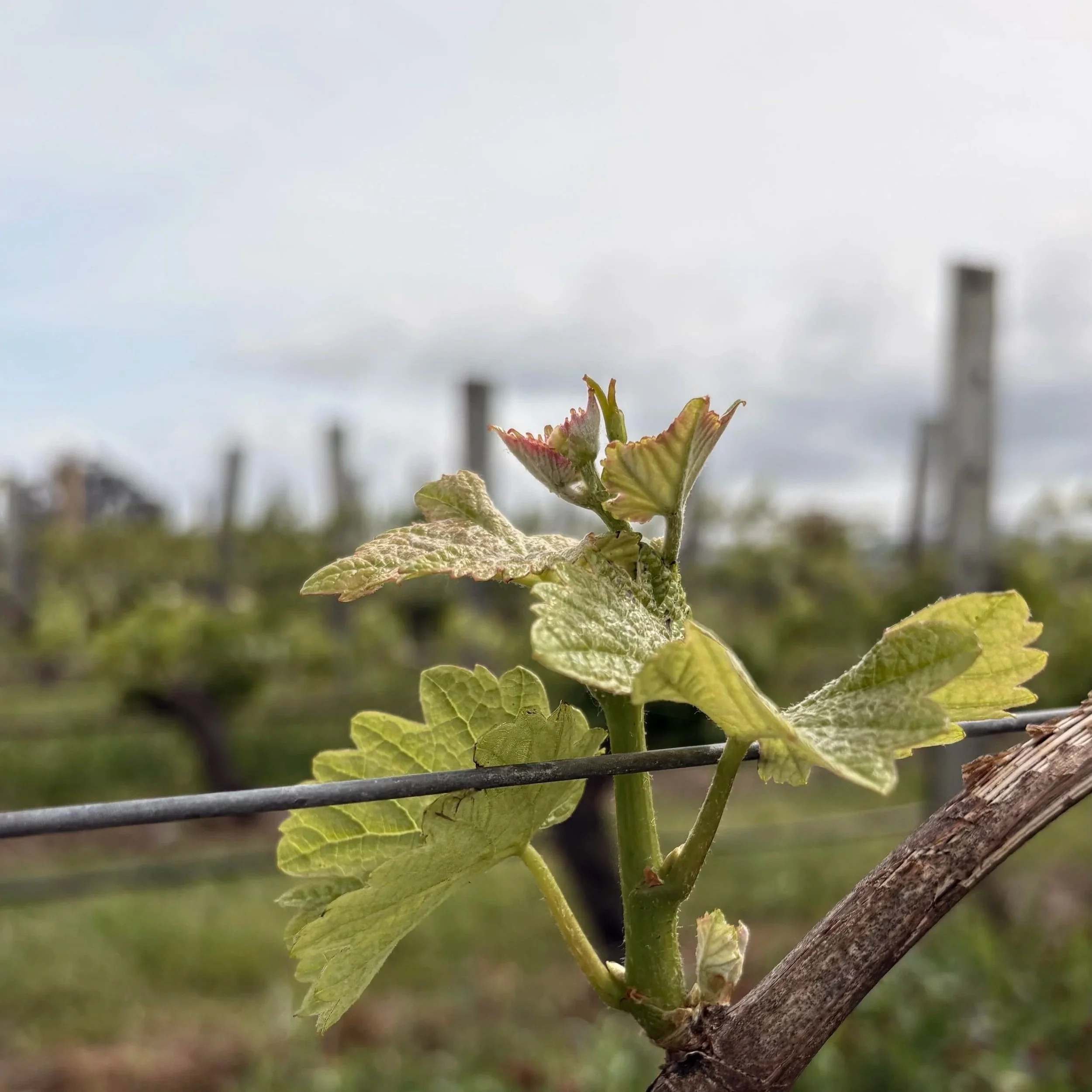
Water is one of the most powerful tools in vineyard management. The timing, amount, and method of irrigation all influence vine growth, fruit composition, and wine style. Effective water management is about more than just “keeping vines green” — it’s about applying the right amount of water at the right time to achieve balance and quality.
Understanding Vine Water Needs
Vine water requirements change throughout the season:
Early season: consistent moisture supports even shoot growth and canopy development.
Flowering to fruit set: mild stress can help regulate vegetative growth, but severe deficits may reduce fruit set.
Veraison to harvest: managing water stress becomes a key quality tool, influencing berry size, flavour, and phenolic development.
Because soils and rooting depths vary, irrigation should be adjusted block by block rather than by calendar date.
Monitoring and Decision-Making
Accurate irrigation scheduling relies on combining data and observation:
Soil moisture monitoring (e.g. capacitance probes or tensiometers) gives objective data on soil water availability.
Vine observations — such as shoot tip activity, tendril turgor, and leaf angle — reveal how vines are responding.
Weather data and evapotranspiration models help estimate how much water is being lost and when to replace it.
Together, these indicators provide a robust picture of vine water status and guide fine-tuned irrigation decisions.
Key Irrigation Strategies
1. Regulated Deficit Irrigation (RDI)
RDI is one of the most effective strategies for managing vine balance and fruit quality.
By applying controlled water deficits during specific growth stages — typically after fruit set and before veraison — you can:
Limit excessive shoot growth
Improve light penetration in the canopy
Enhance flavour concentration and phenolic maturity
Manage berry size to suit wine style objectives
After veraison, irrigation can be slightly increased to prevent excessive stress and maintain ripening consistency. RDI requires careful monitoring but offers significant quality benefits when well managed.
2. Partial Rootzone Drying (PRD)
This technique alternates irrigation between sides of the vine’s rootzone, encouraging the plant to conserve water while maintaining growth. Although less common in large-scale vineyard systems, PRD can improve water efficiency and reduce total irrigation demand.
3. Deficit Irrigation for Efficiency
Even without formal RDI or PRD systems, the principle of deficit irrigation — supplying less than full evapotranspiration needs — helps build resilience and reduce unnecessary growth. Regular monitoring ensures vines experience only moderate, temporary stress.
Improving Water Efficiency
A few practical approaches to make every litre count:
Irrigate deeply, less often – encourages deep rooting and reduces surface evaporation.
Time applications strategically – early morning or night irrigation minimises losses.
Check distribution uniformity – uneven systems waste water and create variability.
Review system performance annually – clogged emitters and uneven pressure are common culprits.
Soil and Water Work Together
Healthy soils make irrigation more effective. Soils high in organic matter retain water longer, support deeper rooting, and reduce the need for frequent applications. Building soil structure through cover crops, compost, and reduced compaction complements any irrigation strategy.
Final Thoughts
Water is both a resource and a management tool. Using it strategically — through approaches like RDI, careful monitoring, and improved soil health — allows growers to produce balanced vines, consistent yields, and higher-quality fruit while supporting long-term sustainability.
If you’d like support with setting up irrigation monitoring or developing a water management plan tailored to your site, get in touch — I’m always happy to help.
