Spring Growth
Setting the season up for success
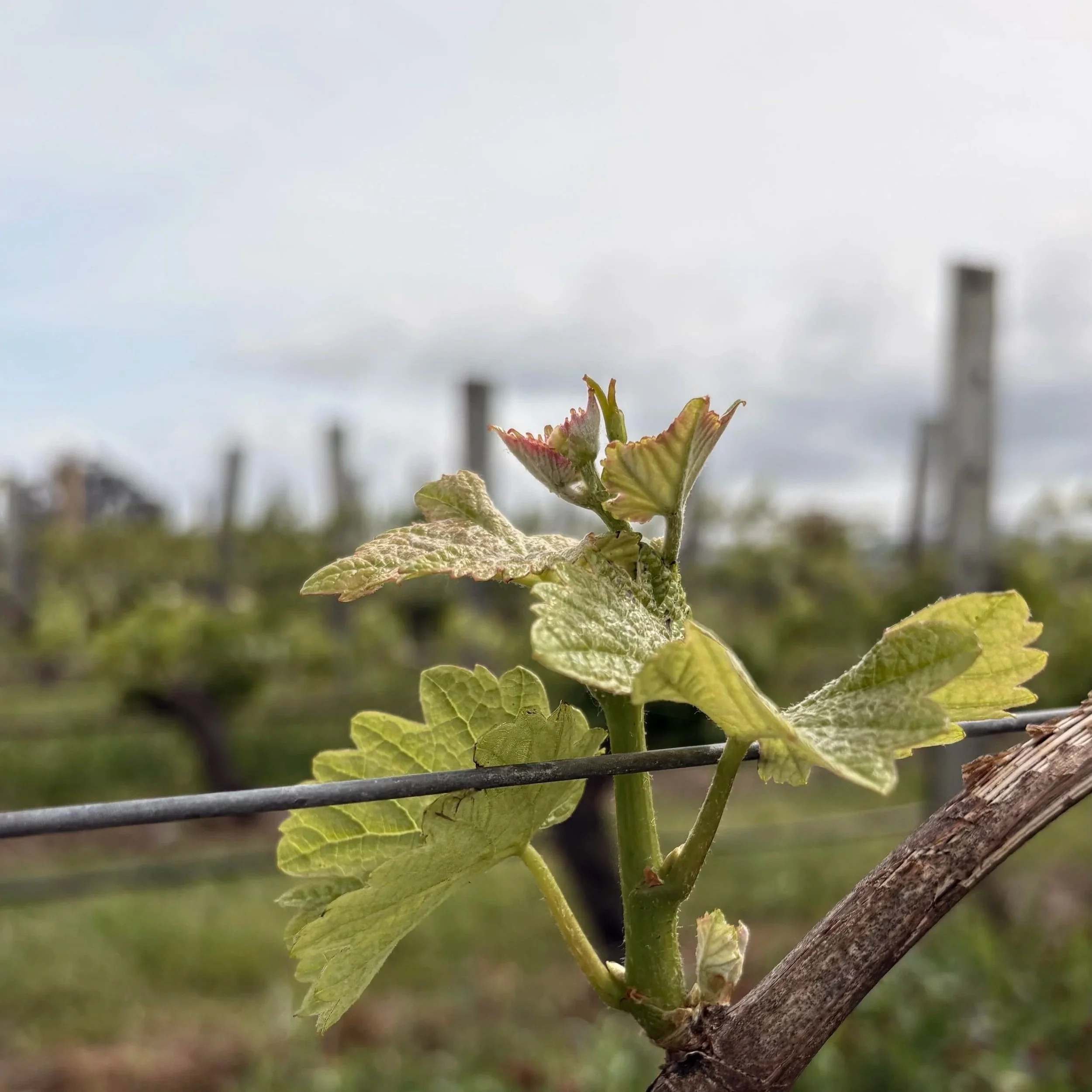
Spring is one of the most influential times in the vineyard - when small management decisions can shape the entire season ahead. As the vines wake up and push new shoots, there’s a lot happening both above and below the ground. Getting it right now means fewer headaches later.
Vineyard Growth: What’s Happening Now
From budburst through to rapid shoot elongation, the vines are drawing heavily on carbohydrates and nutrients stored from the previous season. At this point most of the vine’s energy is directed to shoot growth until flowering begins.
As the rate of photosynthesis increases, the vines requirements for nitrogen, phosphorus and other elements increases. Nitrogen mainly comes from N stored in the roots and woody parts of the vine. Nitrogen fertiliser applied between harvest and leaf fall in the previous season is also mainly used for current season’s early growth.
Growth rates can vary from block to block depending on soil temperature, nutrient requirements, and winter reserves. Monitoring can help guide your canopy and nutrition decisions.
Keep an Eye on:
Shoot growth and uniformity – uneven development can reflect how well the vines recovered from last season or highlight soil variation within the block.
Early pest and disease pressure – powdery mildew, mealybug, and scale can establish quickly in unfavourable conditions.
Nutrient status – pale or uneven growth can signal nitrogen deficiency.
Weed competition – young vines in particular benefit from reduced competition around the base.
Setting Up for the Rest of the Season
As flowering approaches, the vines energy shifts towards fruit set. Early in the season, minerals were moved from storage in the roots and other permanent woody structures to support shoot growth. Now, vines begin to draw on the nutrients stored in the soil. However, if the soil supply is lacking, the vine will continue to draw on its own resources. This might result in exhaustion of that supply, or the vine’s metabolic transport mechanisms might become inefficient, and this is where symptoms of deficiency can start to appear. If a mineral deficiency is to be corrected by the application of fertilisers, the vine will need to take up enough mineral to support its current physiological activities before it can begin to store against further deficiency
Keeping the canopy open, maintaining good nutrition, and staying on top of monitoring data helps the vines focus their effort where it counts.
At this stage of the season, it’s less about big interventions and more about paying attention - noticing the patterns that tell you how the season is unfolding.
Final Thoughts
Every vineyard is different, but the principle is the same: strong early-season management sets the tone for everything that follows. Spring is the best time to promote vine balance - encouraging even, moderate shoot growth and healthy canopy structure. Simple adjustments like shoot thinning, early wire lifts, or trimming can make a big difference later when canopy density and airflow matter most.
Regular monitoring gives you confidence to act early and lightly, rather than reactively and heavily. It’s also the most cost-effective way to stay ahead of potential pest or disease issues before they escalate. A few well-timed decisions in spring can save a lot of time, fruit, and stress by harvest.
If you’d like support with early-season monitoring or pest and disease checks, get in touch - I’m always happy to help growers fine-tune their approach.
