Understanding Yield Estimation
Turning counts into confidence
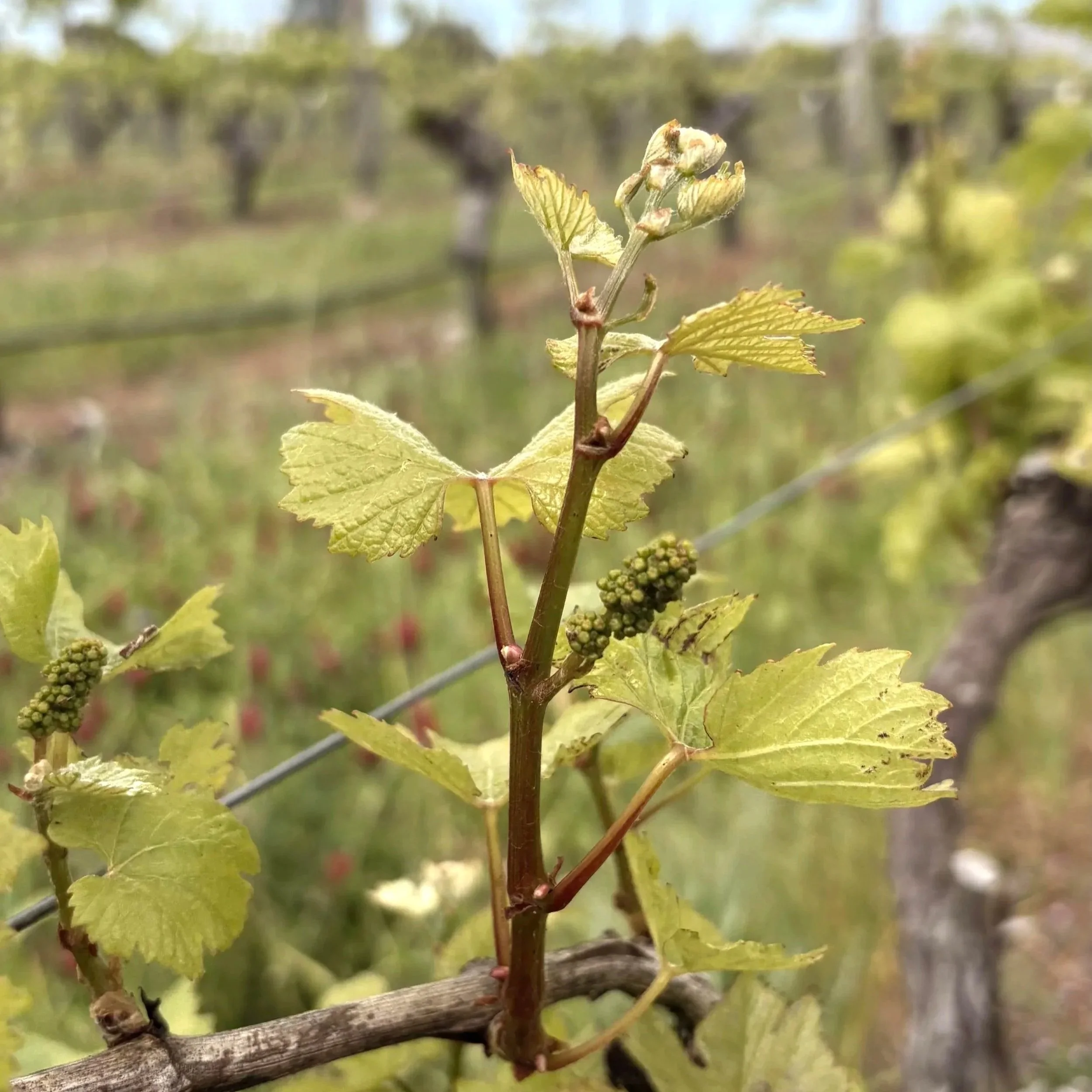
As flowering and fruit set approach, yield estimation becomes one of the most valuable tools for vineyard planning. It’s not just about predicting tonnes per hectare — it’s about understanding vine performance and making informed decisions around crop load, labour, and harvest timing.
Done well, yield estimation will give you a clearer picture of what’s coming, helping balance production goals with vine health and fruit quality.
Why It Matters
Accurate yield estimates help you match inputs to vine potential.
Irrigation and nutrition: You can tailor programmes to match expected demand.
Canopy and crop load: Helps guide thinning or trimming decisions for balance.
Harvest logistics: Wineries can plan intakes, tank space, and picking schedules.
A reliable yield estimate is as much about reducing surprises as it is about precision. It builds confidence across the vineyard–winery relationship.
Refining Through the Season
Yield estimation isn’t a one-off calculation — it’s a process that becomes more accurate as the season unfolds.
Pre-flowering: Bunch counts only — good for relative comparisons between blocks.
Post-flowering / fruit set: Early weight estimates can be applied based on berry numbers and historical berry weights.
Pre-veraison: Re-sample and weigh actual bunches to refine accuracy (usually within ±10–15%).
Pre-harvest: Final check to confirm totals and understand vine performance for next year’s planning.
The best yield estimation systems are iterative — they start broad and become precise as data builds.
Tools and Tips for Better Accuracy
Mapping and zoning: Use yield maps, NDVI, or vine vigour maps to identify sampling zones.
Consistent timing: Sample at the same phenological stage each year for comparable data.
Historical records: Keep past yield data tied to management and weather notes — patterns reveal themselves quickly.
Stay objective: Avoid adjusting estimates to meet targets. Data tells the real story, even when it’s uncomfortable.
Many companies now combine on-ground sampling with simple digital tools or spreadsheets to calculate yields more easily and track trends over time.
Final Thoughts
Yield estimation is both a science and a craft. The numbers matter, but so does your understanding of the vineyard’s patterns and responses over time. Consistent monitoring and honest data collection help growers make smarter, more confident decisions — and deliver fruit that reflects both vine balance and vintage potential.
If you’d like support setting up or refining your yield estimation process, I can assist with sampling plans, data collection, and reporting so you can plan the season with clarity.
